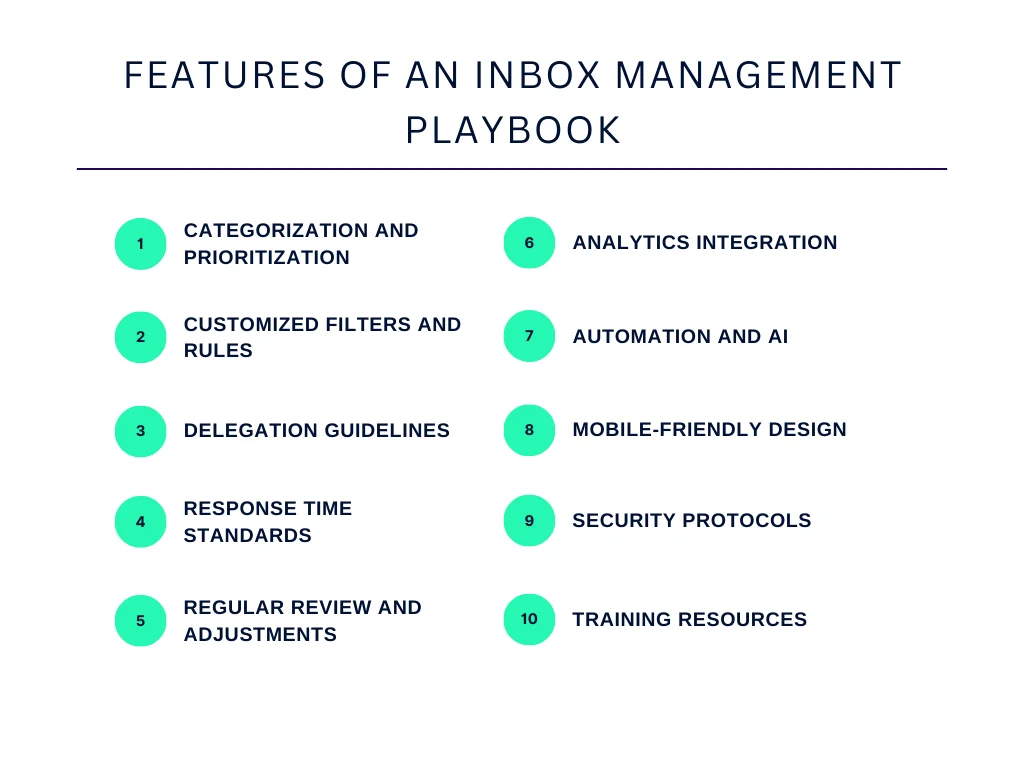
Email is the lifeblood of modern business. It’s the primary channel for internal collaboration, client communication, and operational coordination. Yet, for many organizations, this critical tool has become a source of stress, inefficiency, and miscommunication. The constant barrage of messages, the pressure for immediate responses, and the lack of clear standards have created a reactive email culture that hinders productivity and frustrates employees. The solution isn't to abandon email, but to fundamentally rethink our relationship with it. By intentionally building an "email-first" culture, leaders can transform the inbox from a source of chaos into a powerful engine for clear, deliberate, and effective communication.
The High Cost of a Broken Email Culture
The consequences of a dysfunctional email culture are significant and measurable. Employees spend a substantial portion of their workday simply managing their inboxes. Research from McKinsey reveals that the average knowledge worker spends 28% of their workweek reading and responding to emails [1]. This constant switching of contexts fragments attention, disrupts deep work, and ultimately undermines productivity. Beyond the time sink, a chaotic email environment contributes to employee stress and burnout. The pressure to be constantly available and responsive blurs the lines between work and life, leading to what many are calling 'email fatigue.' In a 2021 survey, a startling 38% of office workers indicated that this fatigue was a significant factor in their desire to leave their jobs [2]. This isn't just an HR issue; it's a bottom-line problem that impacts talent retention, operational efficiency, and overall business performance.
What is an Email-First Culture?
An email-first culture is not about sending more emails. It's about using email more intentionally. It’s a strategic approach where email is designated as the primary medium for asynchronous communication—messages that do not require an immediate response. This philosophy is built on a foundation of shared principles designed to foster clarity, respect, and efficiency.
| Principle | Description | |---|---| | Clarity & Conciseness | Messages are well-structured, with clear subject lines and a focused purpose. Information is easy to find and understand. | | Asynchronous by Default | There is no expectation of an instant reply. This respects colleagues' focus and allows for thoughtful, rather than reactive, responses. | | Right Tool for the Job | The organization has clear guidelines on when to use email versus other communication tools like instant messaging or video calls. | | Respect for Boundaries | Policies are in place to protect employees' personal time, such as discouraging after-hours or weekend emails. |
Adopting these principles transforms the inbox from a reactive, chaotic space into a calm, organized hub for important communication.
Leadership Strategies for Building an Email-First Culture
Transforming an organization's email habits requires active and visible leadership. It's a change management process that starts at the top. Here are four key strategies leaders can implement to cultivate a healthier and more productive email culture.
1. Lead by Example
Employees look to their leaders for cues on how to behave. If leaders send emails at all hours, write vague subject lines, and expect immediate responses, the rest of the organization will follow suit. To drive change, leaders must first model the behavior they want to see. This includes writing concise, action-oriented emails, respecting colleagues' time by not sending messages after work hours, and celebrating team members who demonstrate good email practices. When a leader's actions align with the stated goals of the email-first culture, it sends a powerful and authentic message that this is a genuine priority.
2. Establish Clear Guidelines
Ambiguity is the enemy of an effective email culture. Without clear rules of the road, employees are left to guess, leading to inconsistency and frustration. Leaders should work with their teams to create a simple, practical email charter or policy. This document should provide clear guidance on topics such as:
- When to use email: Define which types of communication are suitable for email (e.g., formal announcements, detailed project updates) versus other tools (e.g., quick questions in a chat app, brainstorming in a meeting).
- Response time expectations: Set realistic and flexible expectations for email replies, such as a 24-hour response window. This empowers employees to disconnect and focus on deep work without feeling pressured to be constantly available.
- Email structure: Provide templates for common email types, such as project updates or meeting requests, to ensure consistency and clarity.
3. Provide Training and Resources
Don't assume that everyone knows how to write an effective email. Many people have never been formally trained in business communication. Leaders should invest in training and resources to upskill their teams. This could include workshops on effective email writing, lunch-and-learn sessions on inbox management techniques, or a shared library of best practice articles and guides. The goal is to equip every employee with the knowledge and skills they need to be a confident and competent communicator in an email-first environment.
4. Leverage Technology
Technology can be a powerful enabler of an email-first culture when used strategically. The right tools can automate repetitive tasks, improve organization, and facilitate collaboration. For instance, a platform like TridentInbox can help teams manage shared inboxes, track conversations, and use templates to ensure consistent communication. By providing employees with tools that make it easier to follow best practices, leaders can accelerate the adoption of the new culture and reduce the friction associated with change.
From Chaos to Clarity: Your First Step
Building an email-first culture is a journey, not a destination. It requires a conscious and sustained effort from leadership to redefine how the organization communicates. The reward, however, is a more productive, engaged, and collaborative workforce. By trading the chaos of a reactive inbox for the clarity of a deliberate, asynchronous communication strategy, you unlock your team's potential to do their best work. The journey begins with a single step: a commitment from leadership to lead the change.
Ready to equip your team with the tools to build a world-class email culture? TridentInbox provides the powerful features you need to manage shared inboxes, streamline workflows, and collaborate effectively. Learn more about how TridentInbox can transform your team's communication.
References
[1] McKinsey Global Institute. (2012). The social economy: Unlocking value and productivity through social technologies. https://www.mckinsey.com/industries/technology-media-and-telecommunications/our-insights/the-social-economy
[2] Segal, E. (2021). Survey Finds Email Fatigue Could Lead 38% Of Workers To Quit Their Jobs. Forbes. https://www.forbes.com/sites/edwardsegal/2021/04/21/survey-finds-email-fatigue-could-lead-38-of-workers-to-quit-their-jobs/
[3] The Radicati Group. (2023). Email Statistics Report, 2023-2027. https://www.radicati.com/wp/wp-content/uploads/2023/04/Email-Statistics-Report-2023-2027-Executive-Summary.pdf