The Executive Email Playbook: How C-Suite Leaders Manage 200+ Emails Daily
In the C-Suite, time is the most valuable asset. Yet, a significant portion of it is consumed by an unrelenting flood of emails. The average professional already spends 28% of their workday on email, which amounts to 2.6 hours and 120 messages daily [1]. For executives, this volume is often magnified, with some reporting over 200 emails a day. This isn't just a communication challenge; it's a productivity bottleneck that can derail strategic focus and lead to burnout.
However, the most effective leaders have developed systems to tame their inboxes. They don't just manage email; they command it. This playbook outlines the strategies C-Suite leaders use to stay on top of their digital correspondence without sacrificing their core responsibilities.
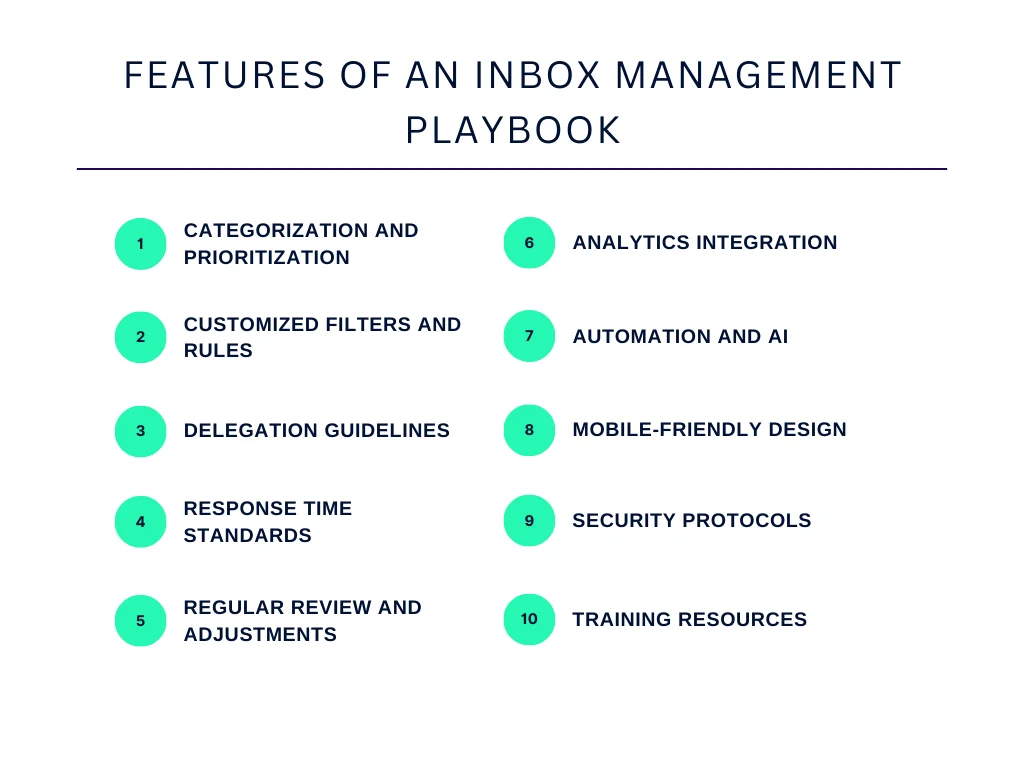
1. Triage with a System
Successful executives don't treat all emails equally. They employ a rapid triage process to categorize and prioritize messages. A common framework involves four categories:
- Delete/Archive: Irrelevant or FYI-only messages are immediately archived or deleted.
- Delegate: Emails that can be handled by a team member are forwarded immediately.
- Respond Now: Quick, two-minute responses are handled on the spot.
- Defer: Emails requiring more thoughtful responses are flagged and scheduled for a specific time block.
2. Time Blocking and Batch Processing
Constantly checking email is a recipe for distraction. Instead of reacting to every notification, top executives schedule specific blocks of time for email management. This might be 30 minutes in the morning, at midday, and at the end of the day. By batch processing emails during these dedicated times, they maintain focus on deep work and strategic projects throughout the rest of the day.
3. Leverage Folders and Filters
An organized inbox is a manageable inbox. C-Suite leaders use a combination of folders and automated filters to keep their inboxes clean. For example, creating folders for key projects, direct reports, and important stakeholders allows for easy retrieval of information. Filters can automatically sort incoming messages, moving newsletters, non-urgent CCs, and other lower-priority emails out of the primary inbox and into designated folders for later review.
4. The Art of the Brief Reply
Executives are masters of concise communication. They understand that a lengthy, detailed response is not always necessary. Often, a brief, clear reply is more effective. Adopting a “five-sentence rule” can help enforce brevity and save time for both the sender and the recipient.
5. Delegate and Empower
One of the most significant shifts for any leader is moving from doing to delegating. Many C-suite executives have an executive assistant who is trained to manage their inbox, filter messages, and even draft responses. This level of delegation requires a high degree of trust and clear communication, but it can free up hours of an executive's time each day.
Conclusion: From Inbox Overload to Inbox Control
Managing a high volume of email is a modern leadership challenge that requires a strategic approach. By implementing a system of triage, time blocking, and organization, and by leveraging delegation and concise communication, C-suite leaders can transform their inbox from a source of stress into a tool for productivity. The goal isn't just to reach "inbox zero," but to ensure that email serves the leader's strategic priorities, rather than dictating them.
Take Your Email Management to the Next Level
Feeling overwhelmed by your inbox? TridentInbox is designed to help busy professionals and teams manage email more effectively. Our platform provides the tools you need to organize, prioritize, and collaborate on email, so you can focus on what matters most. Learn more about how TridentInbox can help you regain control of your inbox.
References
[1] McKinsey Global Institute, “The Social Economy: Unlocking Value and Productivity through Social Technologies,” July 2012, https://www.mckinsey.com/industries/technology-media-and-telecommunications/our-insights/the-social-economy
[2] The Radicati Group, “Email Statistics Report, 2024-2028,” December 2024, https://www.radicati.com/?p=18519
[3] Gosnell, Ken. “How CEOs Can Take Control of Their Emails and Achieve Inbox Zero.” Entrepreneur, December 13, 2024, https://www.entrepreneur.com/growing-a-business/how-ceos-can-take-control-of-their-emails-and-achieve-inbox/478320.